
KNOW YOUR GLOVE
Home / Choose The Right Glove / Know Your Glove
Industrial and household gloves come in myriad varieties with several different raw materials, thickness range, glove linings, patterns, and cuff. A complete understanding of different aspects to gloves is crucial to choosing the right glove for desired applications.
RAW MATERIALS
In the modern glove industry scenes, gloves of several different raw materials (elastomers) have been introduced to cater to a larger universal of end-user applications. Choosing gloves of a suitable raw material is crucial in picking up the right gloves for a desired application.
Advantages:
Exceptional elasticity and flexibility for superior comfort
Excellent resistance to bending and tearing
Suitable for handling water-soluble compounds
Provides a secure grip for better handling
Limitations:
Limited resistance to petroleum-based chemicals
Poor resistance to heat, flame, and ozone
May cause allergic reactions in sensitive individuals
THICKNESS
After determining an appropriate raw material for the gloves, thickness is another important parameter to be taken into consideration. Thick gloves possess higher layers of compound, thus offering greater degrees of protection and enhanced durability. However, handling dexterity are compromised and extended task executions on thick gloves could result in fatigue, especially for more rigid raw materials such as nitrile. Therefore, an appropriate glove thickness shall be chosen to achieve the right trade-off between durability, dexterity and cost
LENGTH
The usual length for gloves often comes in between 12-16 inches or 305-405 mm. Longer gloves are often ideal for more heavy-duty applications or for applications which require superior water protection.
LININGS
Household gloves often have its internal surface coated with different types of linings to enhance moisture absorption, and softness. However, un-lined gloves are preferred for some applications with stringent hygienic demands as lining materials can potentially contaminate the gloves.
Advantages:
Superior moisture absorption
Keeps hands dry for longer periods
Enhanced comfort through soft flocking material
Limitations:
Poor-quality flocking may shed over time
Not suitable for food processing applications
LININGS
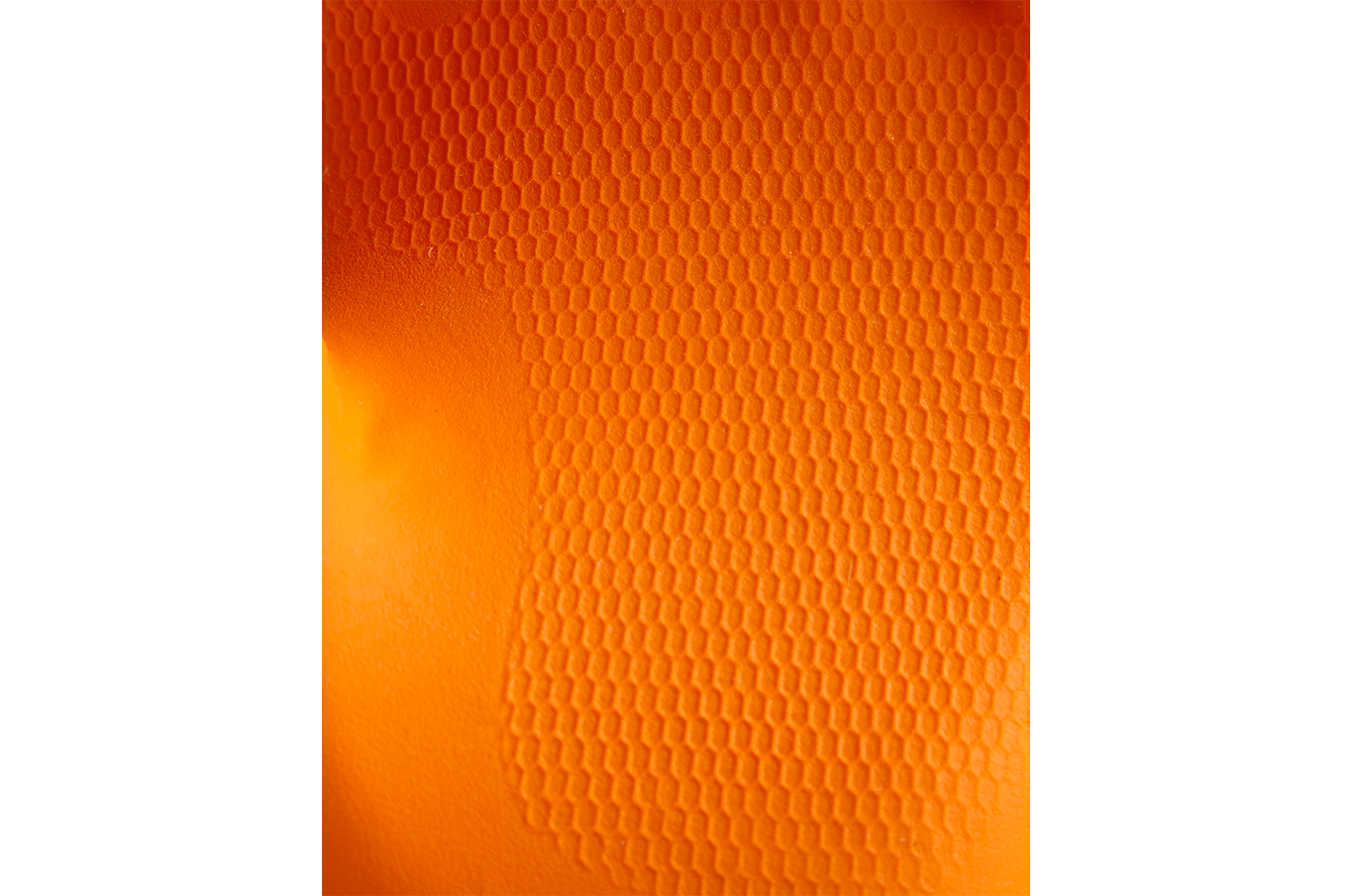
Honeycomb
Closely integrated honeycomb pattern offers grip on wet and equally capable on animal greasy surfaces
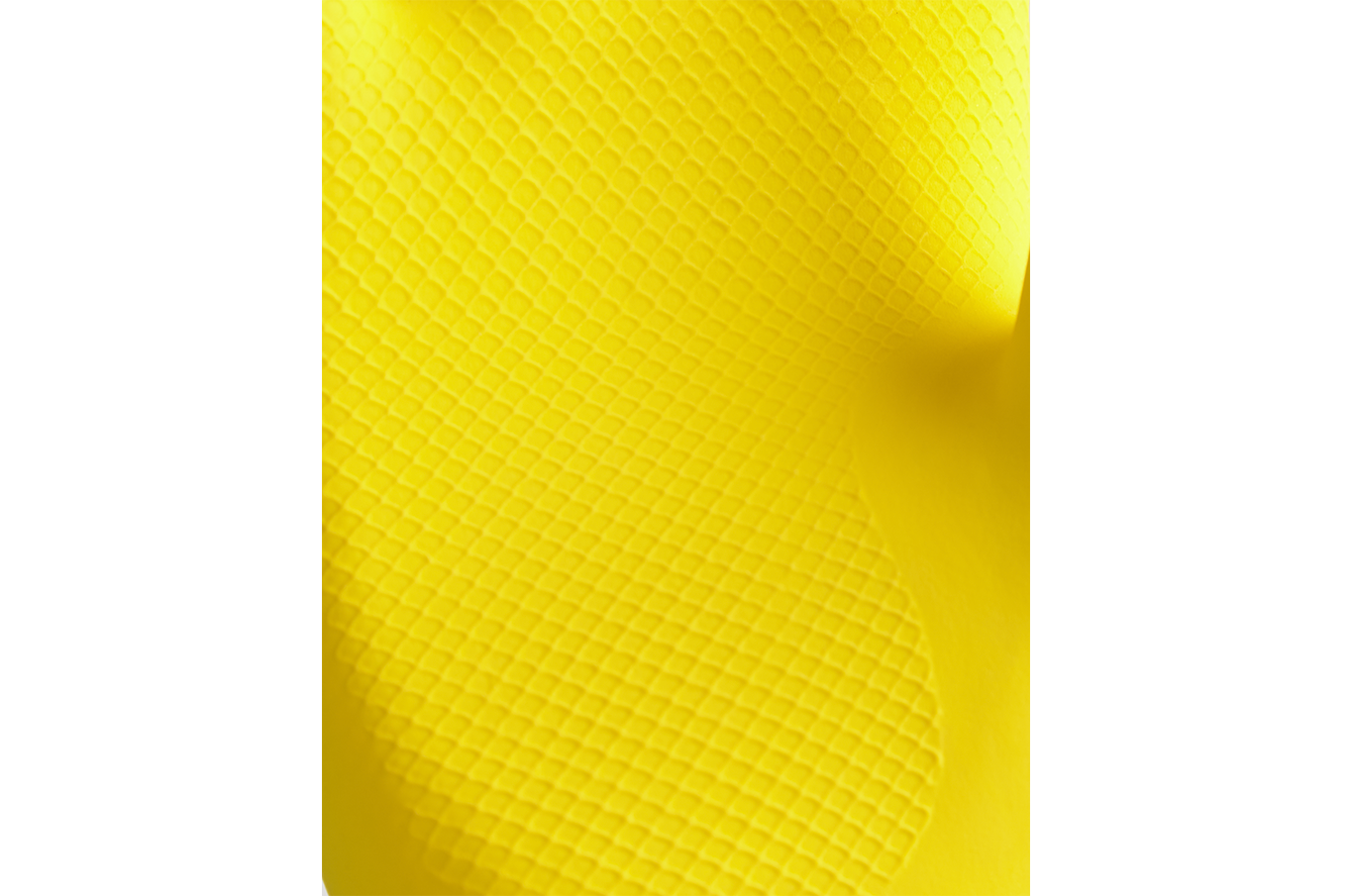
Fish scale
Create vacuum-like condition which offers excellent grip especially on fatty surfaces
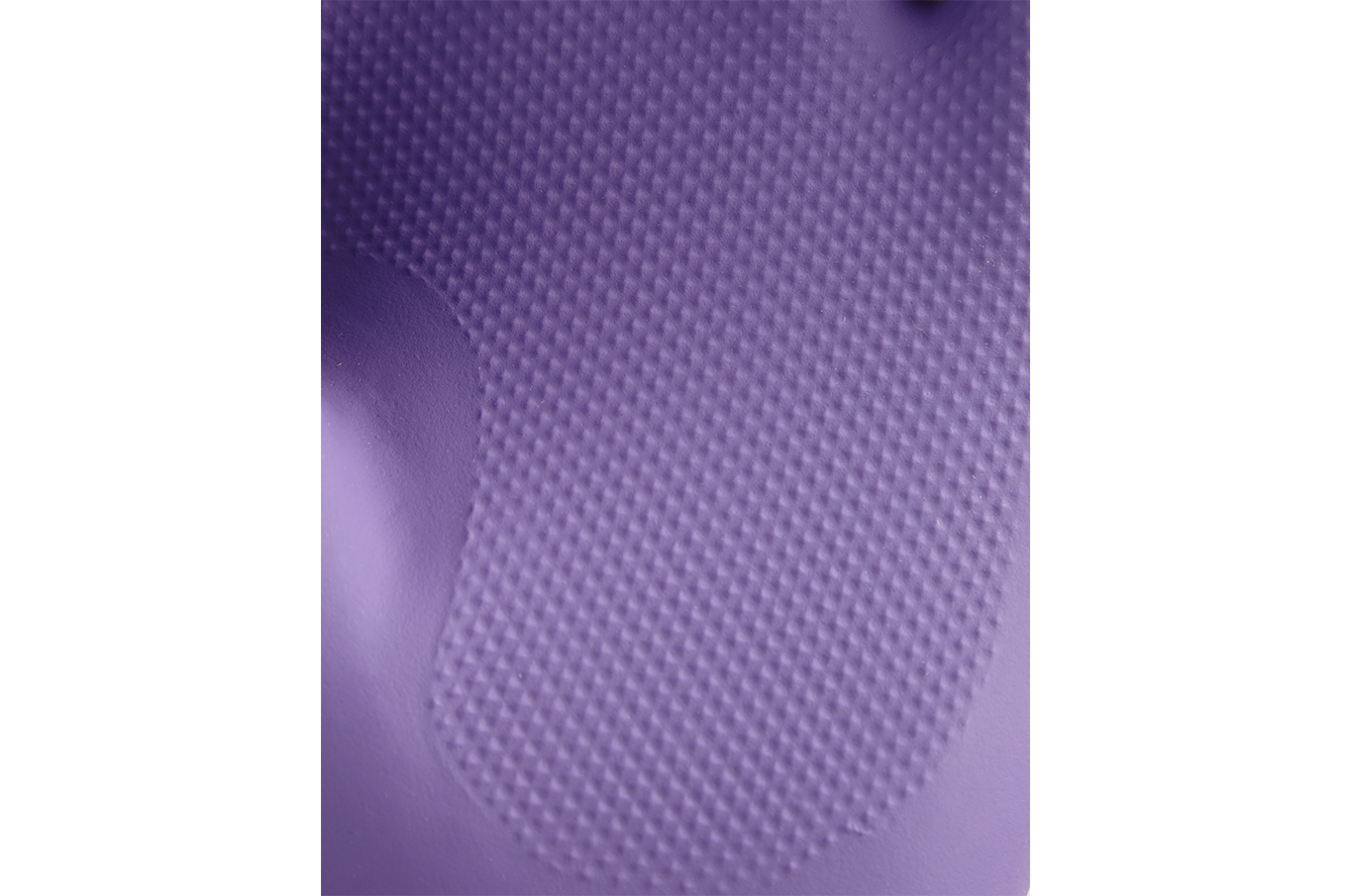
Household Diamond
The pattern emulates rough diamond surface which offers excellent handling on wet surfaces
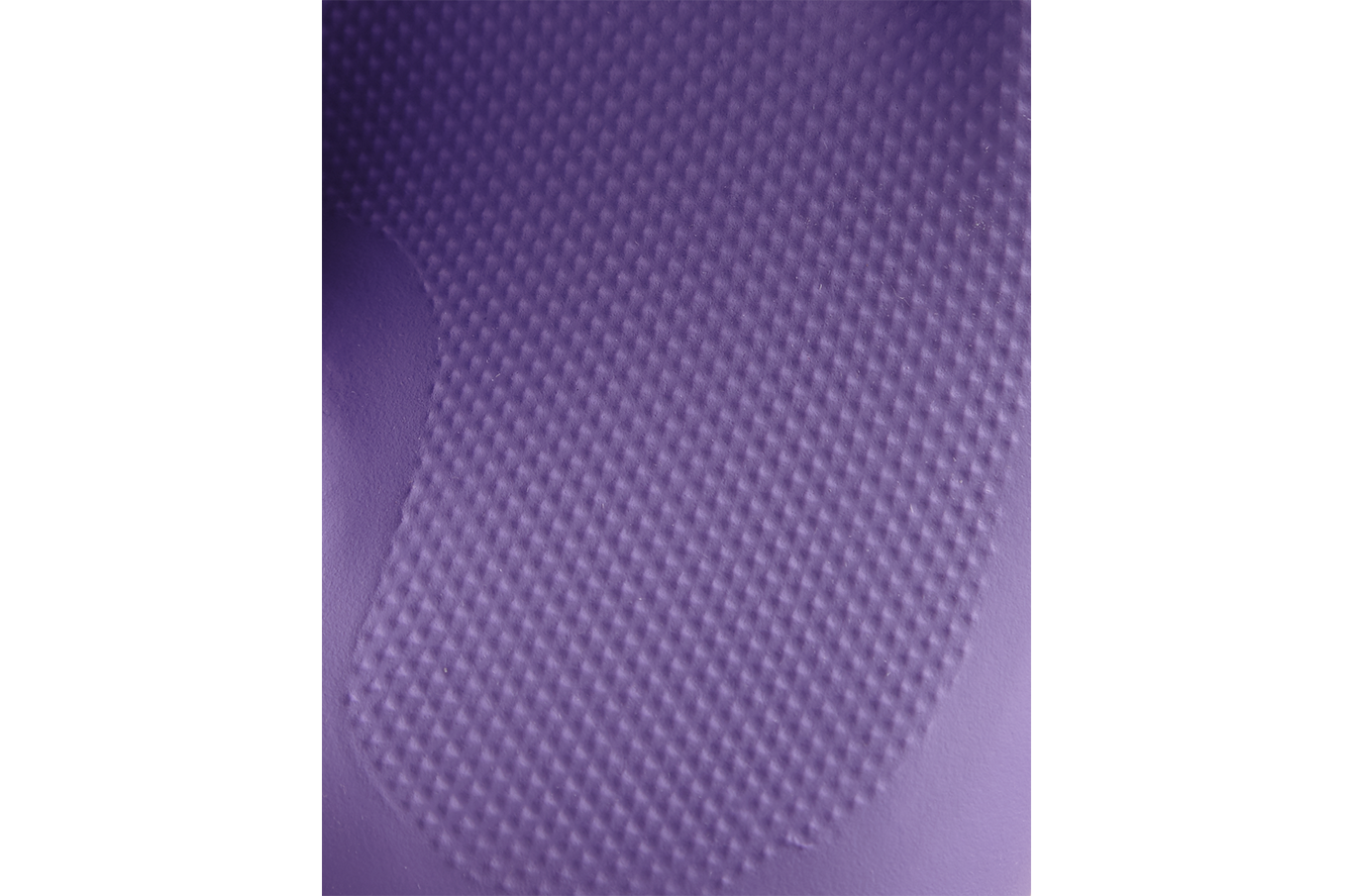
Industrial Diamond
The larger, higher-raised diamond pattern with sharper cut offers superior grips on greasy, coarse surfaces typically found in factories, an ideal for industrial application
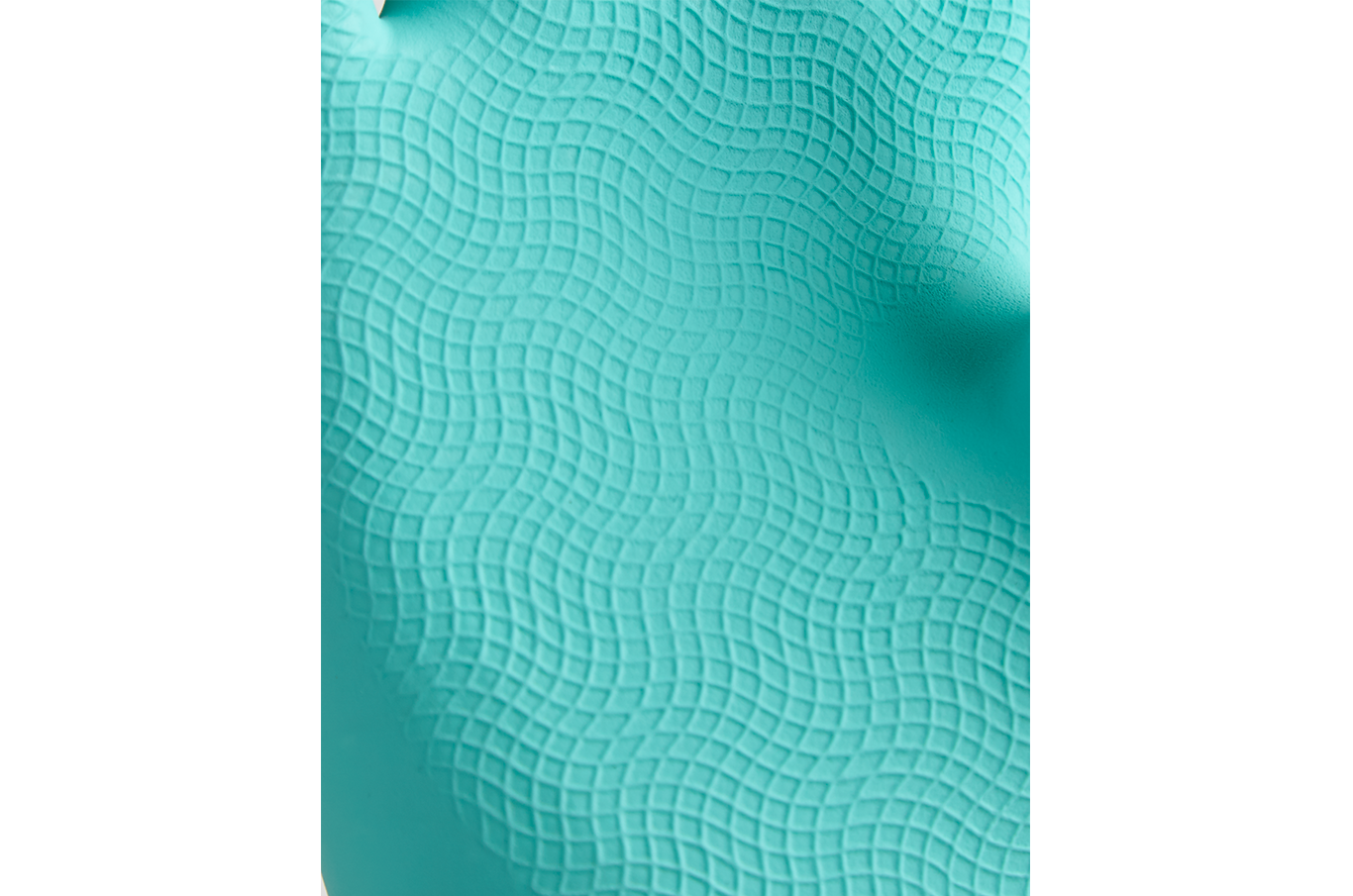
Crosswave
An innovative cross-linking pattern offers excellent liquid draining on the surface, thus offering superior grip on wet surface
CUFF
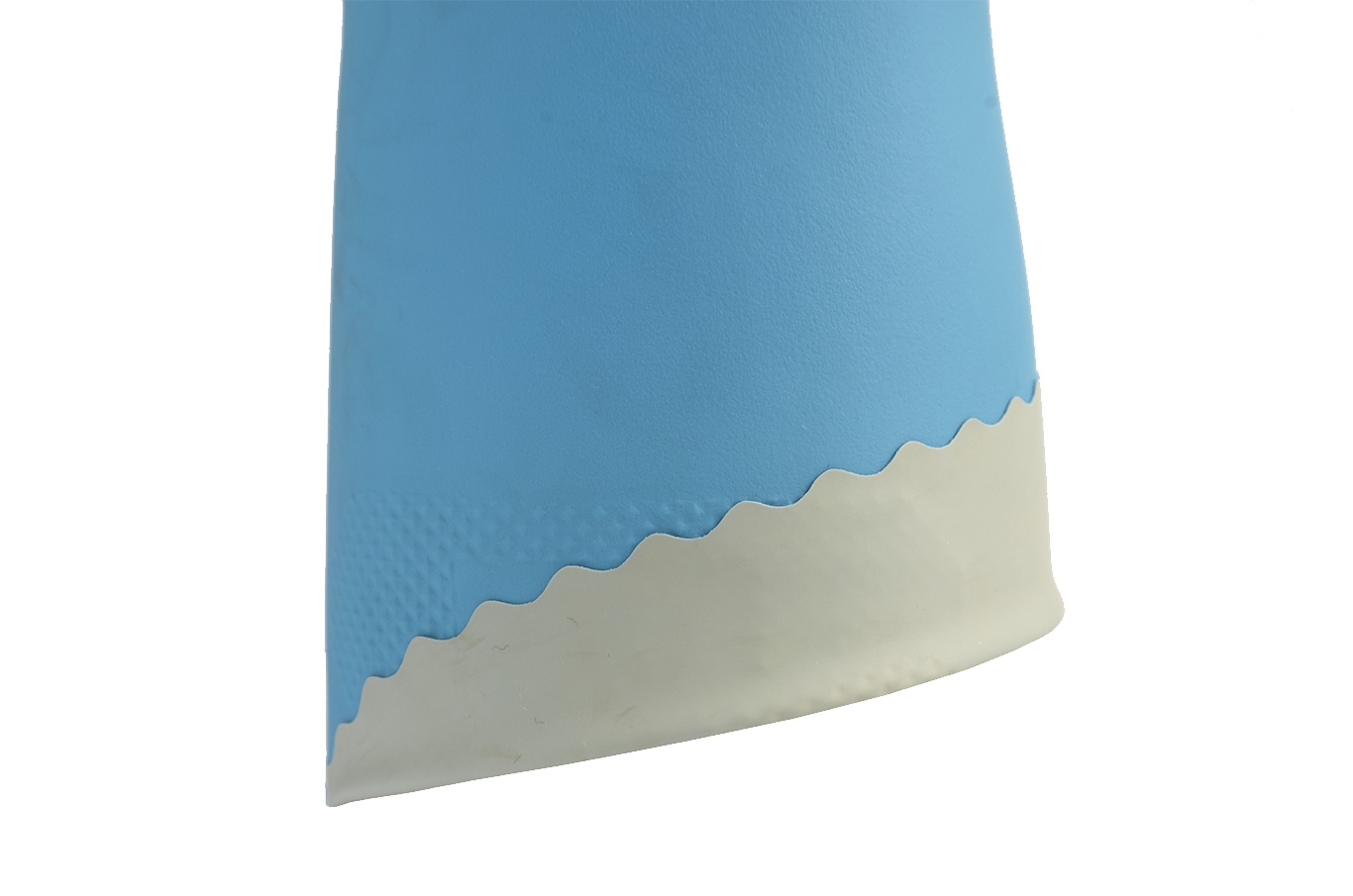
Waving
Cross-linking, alternate pattern designed to trap liquid entering the glove’s inner surface
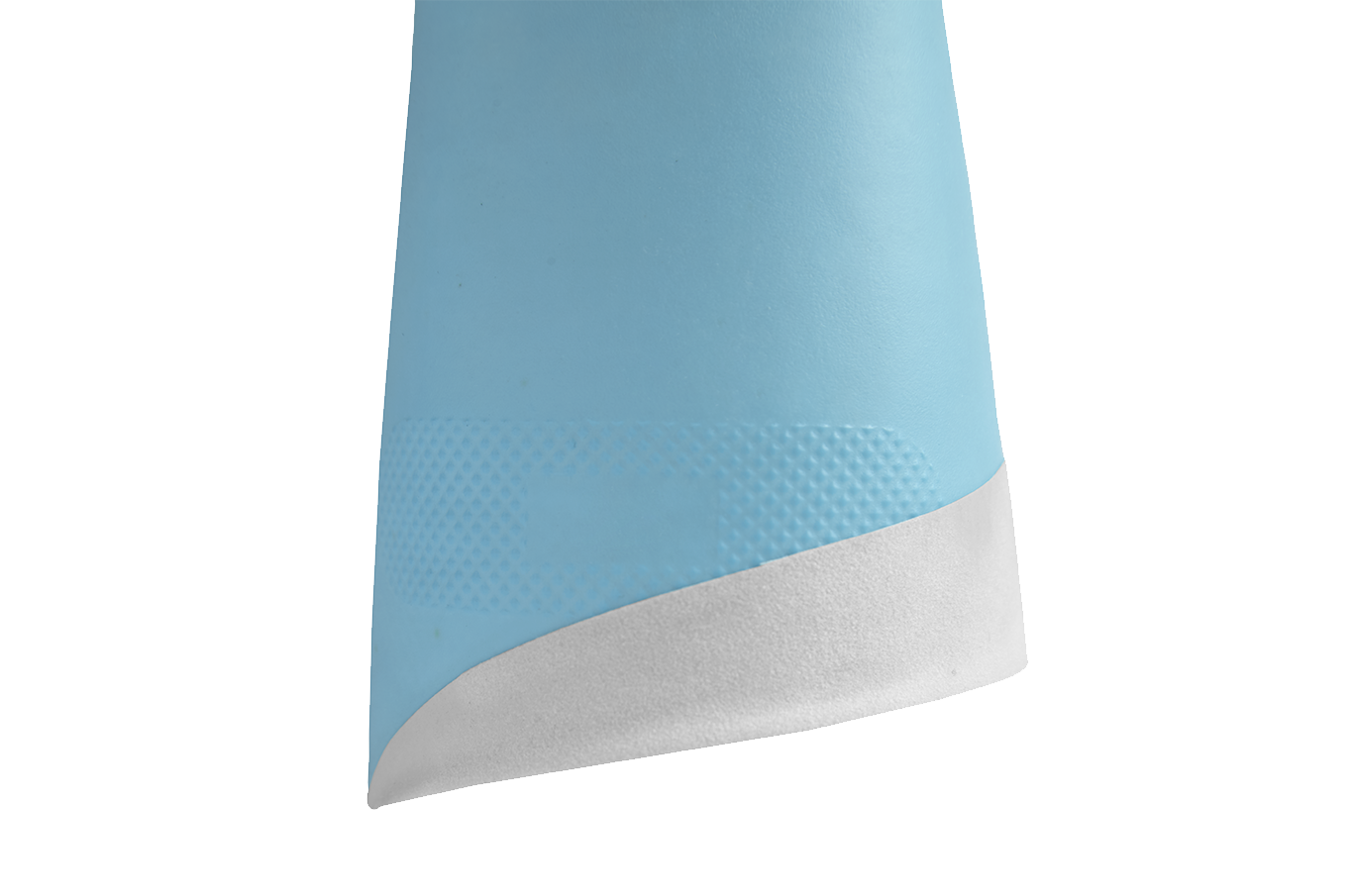
Straight
Higher application flexibility with extended cuff length which enables folding for enhanced liquid protection
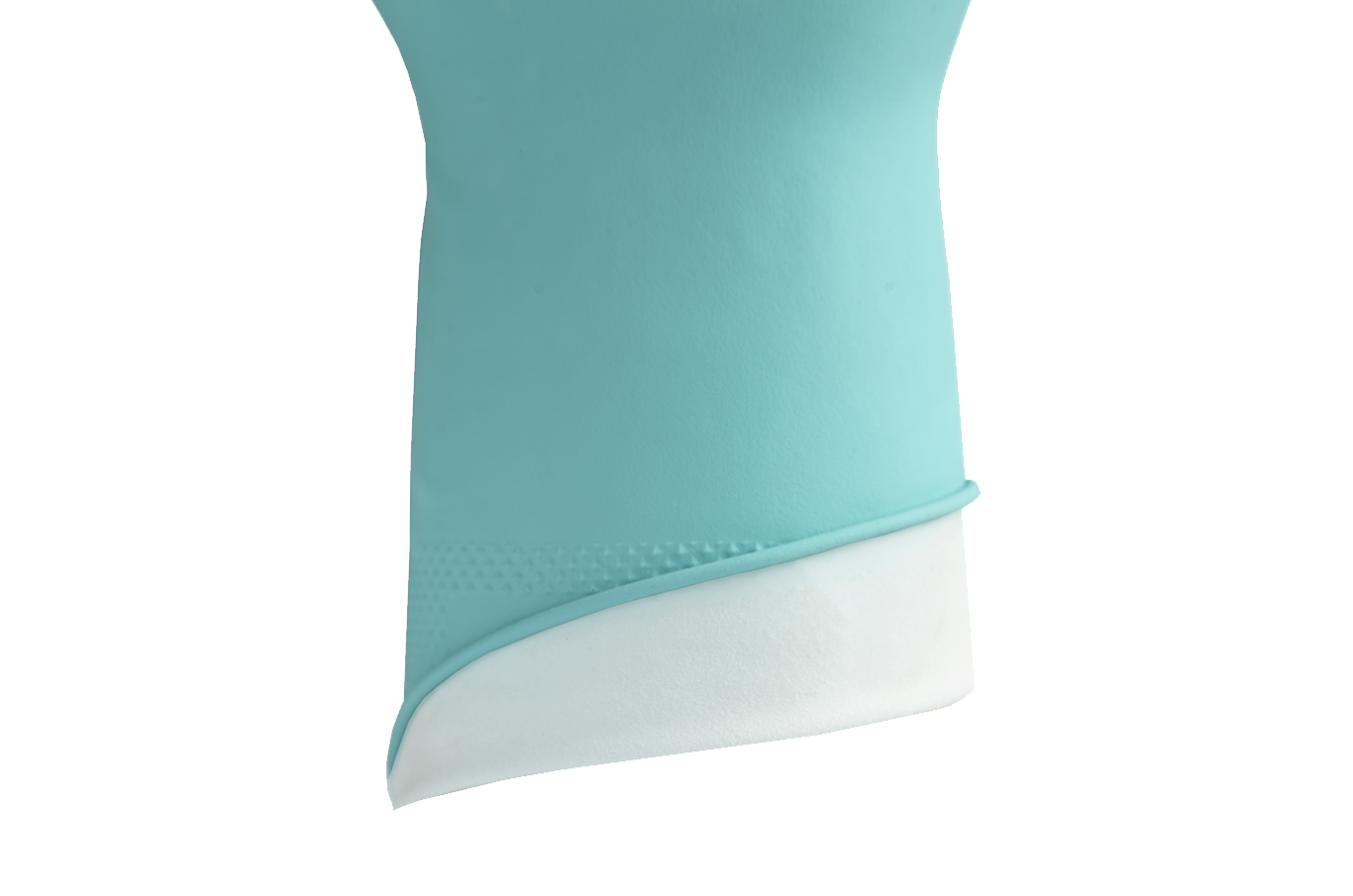
Beaded
A strengthened cuff which offers superior protection from water, chemical and grease